








Creative Direction & Design
Building Story-Driven Apparel Systems From Culture to Product
The Challenge
Creating apparel that didn’t feel like isolated product design, but instead felt like part of a larger creative world. Too often, apparel gets reduced to graphics on garments or seasonal drops driven by trend cycles rather than meaning.
The goal here was to build apparel systems that felt intentional, culturally aware, and connected to a broader brand narrative, where every piece carries a point of view, not just a visual treatment.
The Approach
Each project began with cultural research and narrative development. What space does this apparel live in? Who is it for, and what do they care about beyond the product itself?
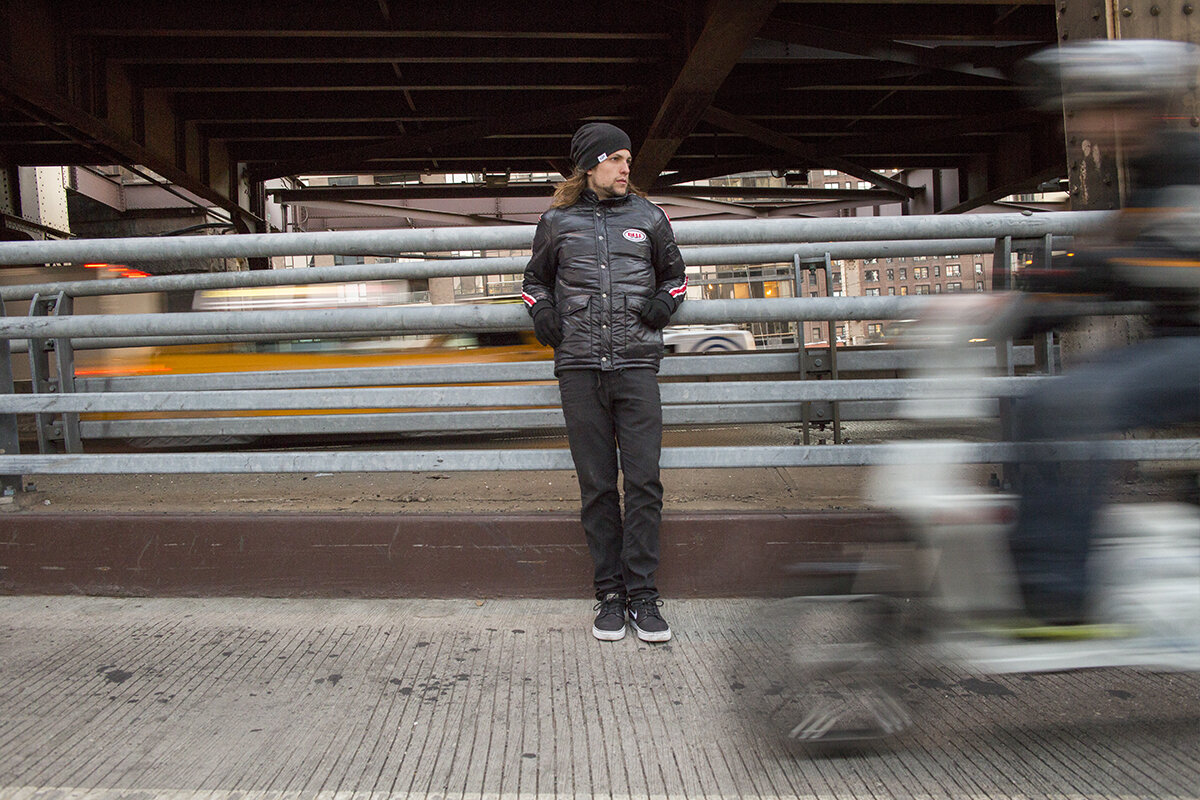
From there, creative direction focused on building a world first, then designing within it. That world might be rooted in motorcycle culture, motorsports, street culture, or broader lifestyle expression, but the key was always defining the emotional and cultural context before touching design execution.
Once that foundation was in place, apparel design became a system-building exercise:
Silhouette and fit that reflect function and identity
Graphics that carry narrative weight, not just decoration
Material choices that support tone, durability, and wearability
Color systems that reinforce cohesion across collections
Rather than designing individual garments in isolation, the work focused on building cohesive collections that feel like chapters in a larger story.
Design Decisions
A few core principles guided the work:
Story before product. Every apparel decision started with narrative intent. The clothing exists to express an idea, not the other way around.
Function and expression working together. Whether performance-driven or lifestyle-focused, garments needed to feel considered in both how they look and how they’re worn.
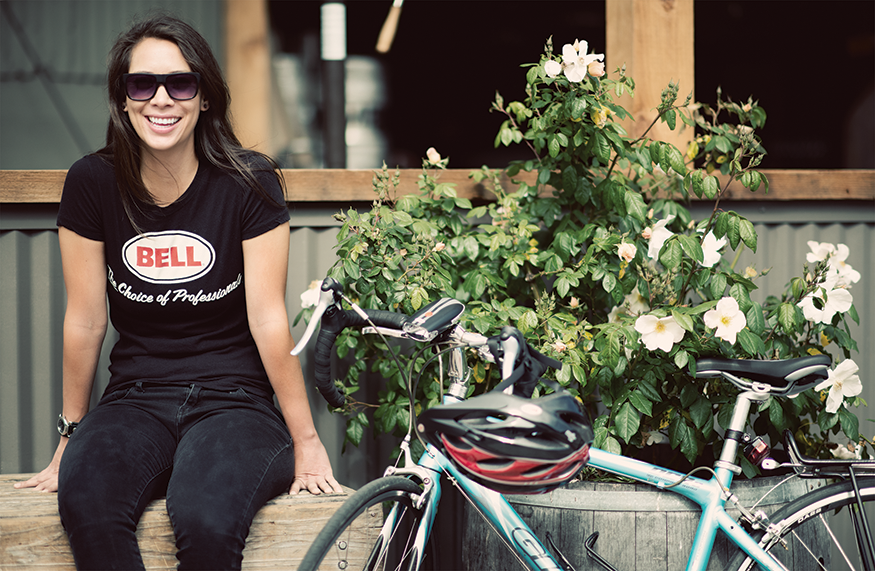
Cultural alignment. Designs were rooted in real communities and behaviors, not abstract trend forecasting. Authenticity came from understanding how people actually live and dress.
System over singular pieces. Collections were designed as interconnected sets, ensuring consistency across categories, seasons, and applications.
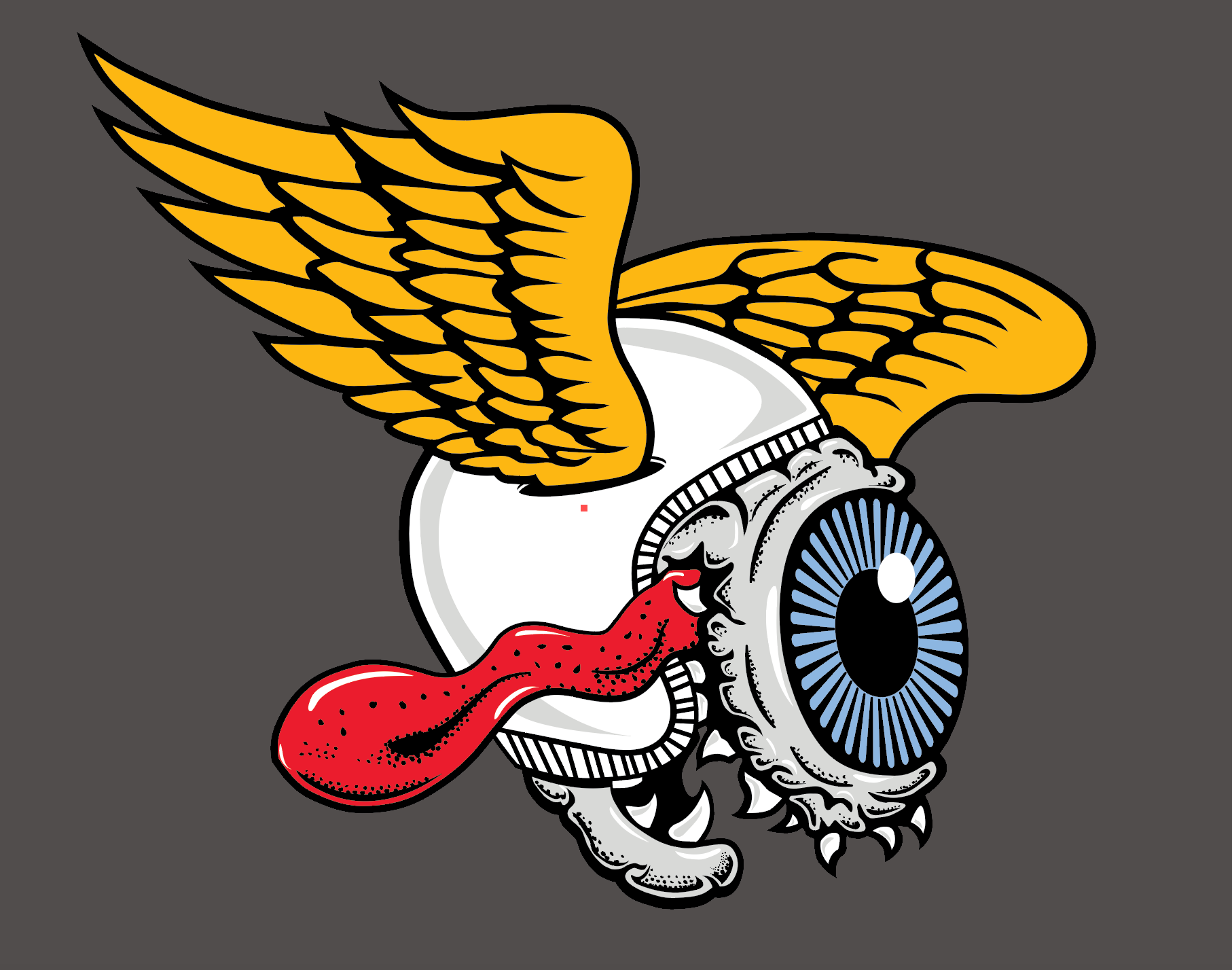
Graphics as language. Illustrations, typography, and visual marks were treated as storytelling tools that extend the brand voice onto the garment itself.
Execution
The creative direction process typically moved through three stages:
Concept Development
Defining the cultural space, narrative direction, and emotional tone of the apparel collection before any design work begins.
Apparel Design & System Building
Developing silhouettes, graphics, materials, and color systems that translate the concept into wearable form while maintaining consistency across the collection.
Direction & Refinement
Overseeing execution across samples, production, and final output to ensure the original intent is preserved through fit, finish, and detail.
The Outcome
The result is apparel work that functions as more than product—it operates as a storytelling platform.
Each collection feels grounded in a clear cultural perspective, with design decisions that reinforce identity, purpose, and expression. Instead of disconnected garments or trend-driven pieces, the work forms cohesive systems that reflect how people actually engage with clothing as part of their lifestyle and identity.
More importantly, the approach elevates apparel from surface-level design into a strategic creative discipline, where every detail contributes to a larger narrative about who the brand is and what it stands for in culture.