








Expanding the Bell Brand Beyond the World of Riding
The Challenge
For a brand as deeply rooted in motorsports and cycling as Bell Helmets, credibility within core rider culture had never been the issue.
The bigger opportunity was cultural expansion.
The challenge was finding ways to introduce Bell to broader creative communities without losing the authenticity that made the brand respected in the first place. Too often, brand collaborations can feel forced or opportunistic, especially when companies attempt to enter art, fashion, or lifestyle spaces without a genuine connection to them.
The goal was not to “borrow cool” from artists or subcultures. It was to create meaningful collaborations that reflected the same spirit of individuality, rebellion, craftsmanship, and self-expression already present within two-wheeled culture itself.
The Approach
The strategy centered around treating artists as true creative partners rather than external vendors.
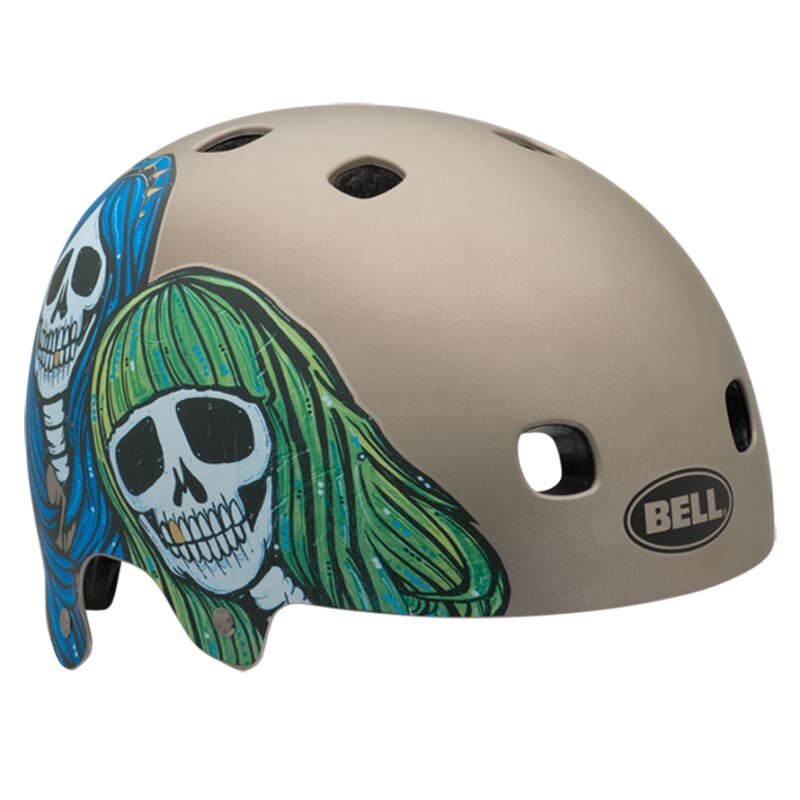
Instead of asking collaborators to simply decorate products, each project was approached as an opportunity to merge worlds, blending Bell’s legacy in riding culture with the unique perspectives and visual languages of contemporary artists.
The collaborations spanned:
Helmet graphics
Apparel collections
Limited-edition products
Live events
Gallery installations
Cultural activations
This broader ecosystem allowed Bell to participate in conversations beyond motorsports while still remaining connected to the energy and attitude that defined the brand.
Curating the Creative Voices
A diverse group of artists was intentionally selected to bring different styles, audiences, and creative perspectives into the brand universe.
Collaborators included:
Taylor Reeve
Corey Miller
Jona Cerwinske
Saber
Skratch
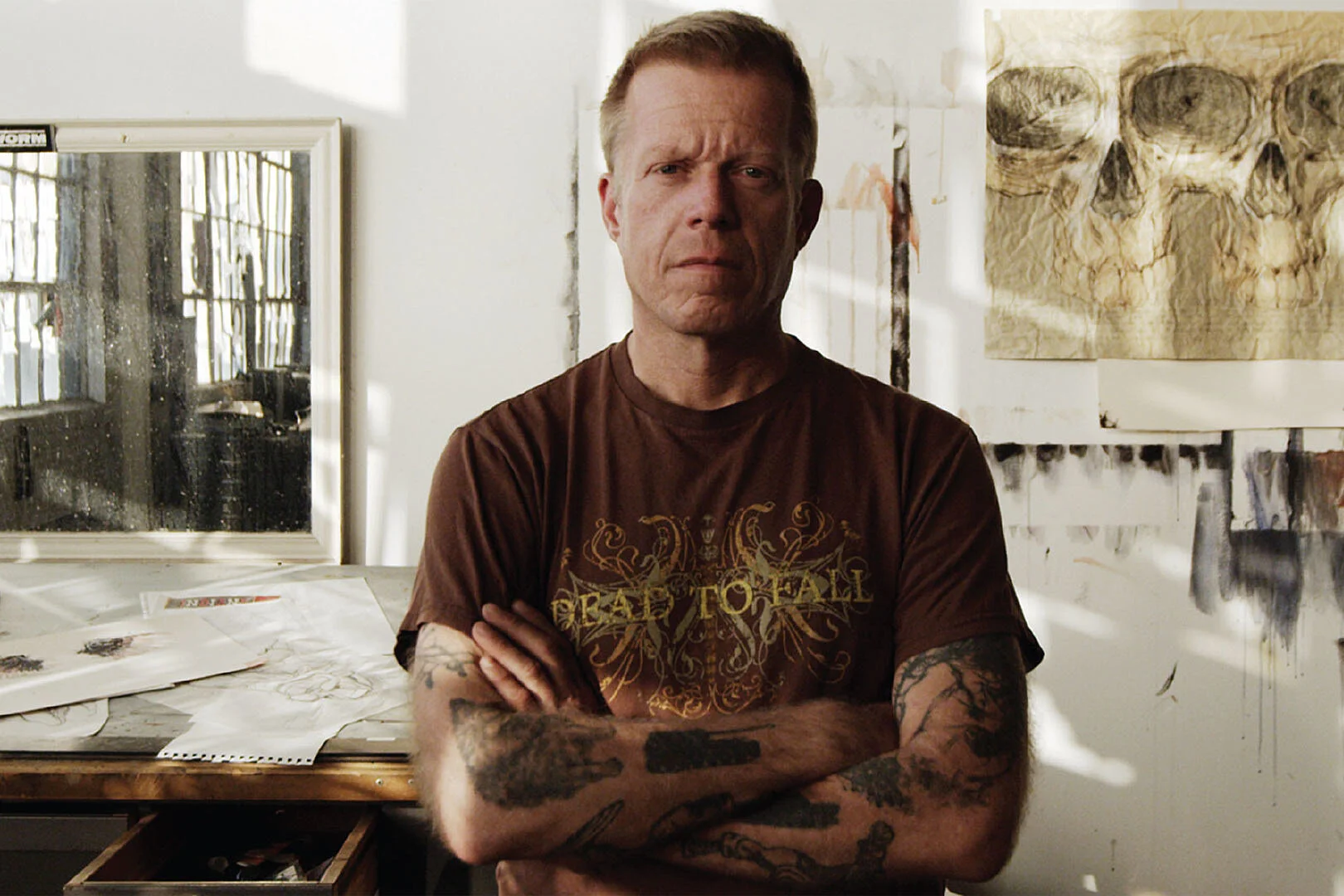
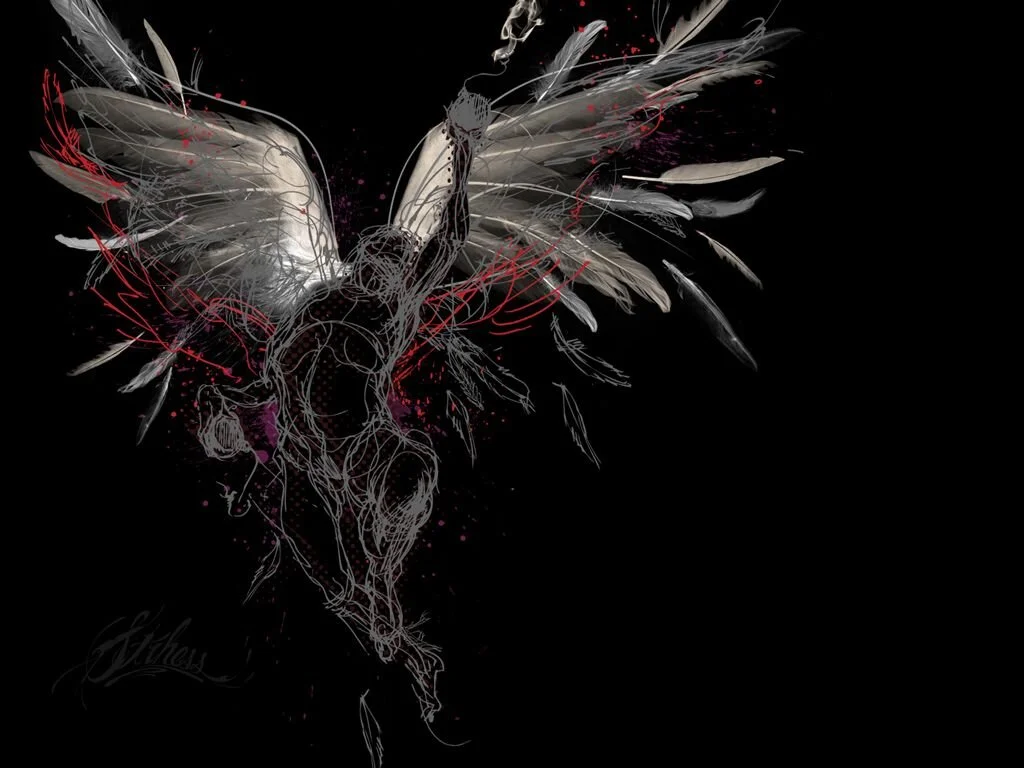
Derek Hess
Each partnership brought its own tone and visual identity to the work. Some leaned heavily into street culture and graffiti influences, while others drew from tattoo art, illustration, punk aesthetics, or contemporary graphic design.
The diversity was intentional. Together, the collaborations reflected the many different personalities and creative subcultures that intersect with riding culture.
Design Decisions
One of the most important decisions was resisting over-control from the brand side.
The collaborations worked because the artists’ voices remained intact. Bell acted less like a corporation directing the outcome and more like a platform creating space for creative expression.
This authenticity became central to the success of the program.
Visually, the projects embraced experimentation and individuality. Helmet graphics became canvases. Apparel collections felt collectible rather than promotional. Events and gallery shows blurred the line between product launch and cultural experience.
The work also created a more emotional and aspirational layer around the brand. Instead of communicating only performance or protection, Bell began participating in conversations around creativity, identity, and artistic expression.
That shift helped reposition the brand within a broader lifestyle and cultural landscape.
Building Cultural Relevance
The collaborations were not designed as isolated campaigns. They became part of a larger effort to evolve how people perceived Bell.
By showing up authentically within art, design, music, and street culture spaces, the brand expanded its relevance beyond hardcore riders while still strengthening credibility with its existing audience.
This balance was critical.
The work never abandoned Bell’s heritage. Instead, it revealed the natural creative overlap between artists and riders: both are communities driven by individuality, risk-taking, craftsmanship, and freedom.
The Outcome
The artist collaboration program helped transform Bell from a respected equipment brand into a more culturally connected and creatively expressive brand presence.
The projects generated excitement not only through the products themselves, but through the stories, personalities, and communities surrounding them. From gallery walls to limited-edition graphics, the collaborations created entirely new ways for audiences to engage with the brand.
Most importantly, the work demonstrated that Bell could exist comfortably at the intersection of performance, culture, and creativity without compromising authenticity.
The result was a brand experience that felt less transactional and far more human, emotional, and culturally alive.