






Creative Direction, Design & Project Management
Environmental Design Systems
The Challenge
Environmental design work sits at a difficult intersection. It has to communicate clearly in physical space, hold up under real-world conditions, and still feel like a cohesive extension of a brand.
The challenge in this work was scale and complexity. Unlike a single campaign or digital experience, environmental design operates across many variables at once: location, materials, wayfinding, signage systems, human behavior, and brand expression in three-dimensional space.
Without a strong creative and structural framework, these projects can quickly become inconsistent. Different vendors interpret the system differently. Materials drift. Messaging loses clarity. The end result feels fragmented instead of intentional.
The goal was to create environmental systems that felt unified, legible, and emotionally connected to the brand, while still being practical enough to execute across real-world constraints.
The Approach
The work began by treating environmental design less like decoration and more like infrastructure.
Every project started with a clear conceptual foundation: what should people feel, understand, or do when they move through this space?
From there, the process expanded into system thinking. Instead of designing isolated touchpoints, the focus was on creating a connected language that could scale across physical environments.
This included:
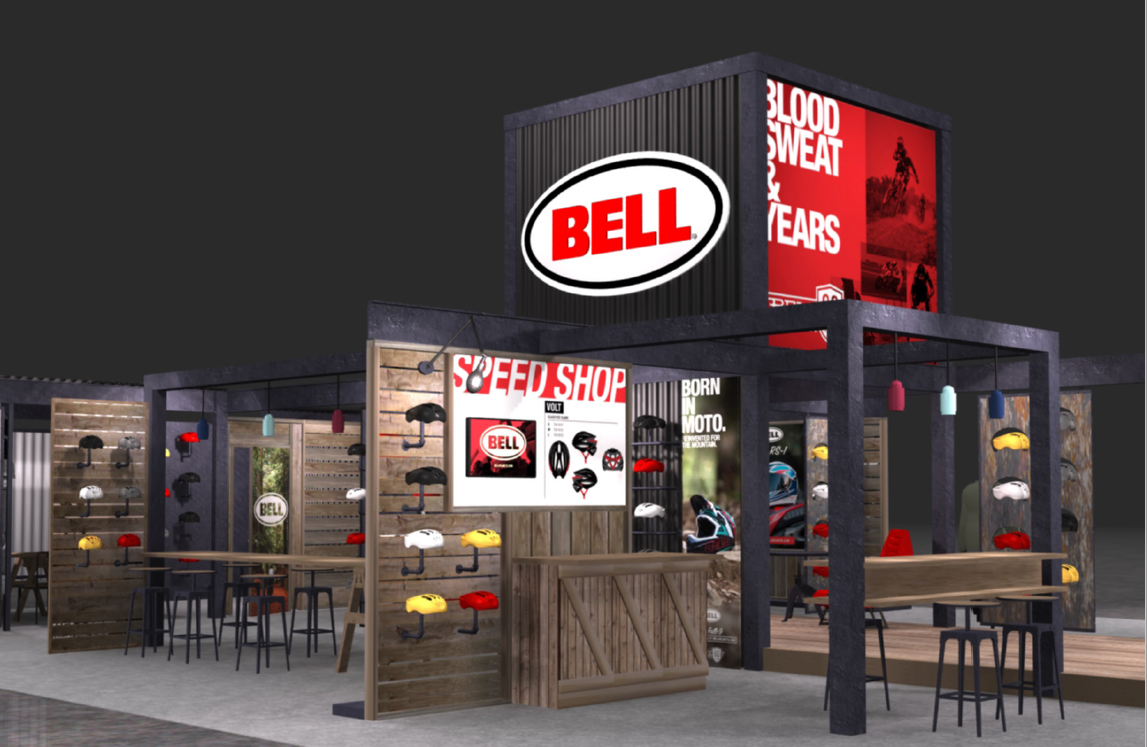
Spatial storytelling that guided movement and attention
Hierarchical messaging systems for clarity at distance and close range
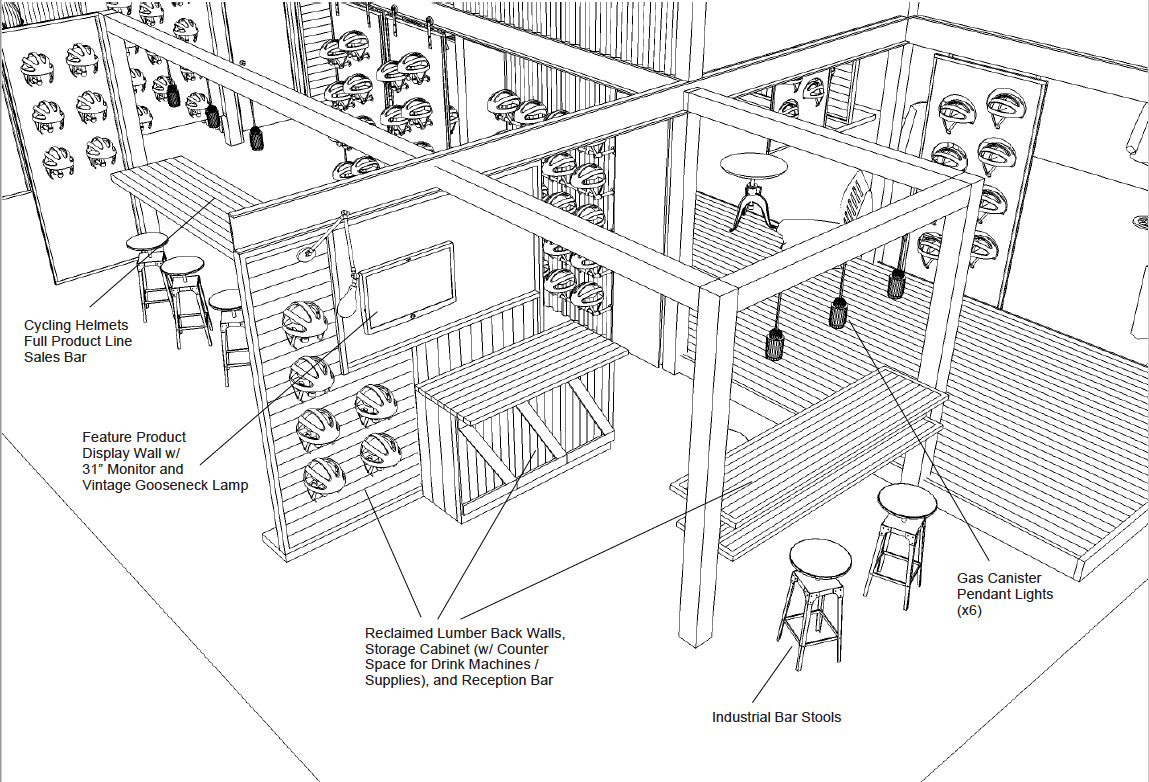
Material choices that reinforced tone and durability
Modular design components that could adapt to different environments without losing consistency
A key part of the approach was recognizing that environmental design is experienced in motion. Unlike static media, people engage with it while walking, pausing, observing, and interacting. That meant pacing, sightlines, and sequencing became as important as visual design itself.
Creative Decisions
A few core principles shaped the work:
Clarity first. Environmental graphics need to be understood instantly. Typography, contrast, and layout were always optimized for legibility at scale and speed.
System over object. Instead of designing one-off visuals, the focus was on building repeatable components that could flex across different applications and environments.
Material awareness. Physical execution mattered as much as visual design. Surfaces, textures, lighting conditions, and installation methods all influenced final decisions.
Human movement as structure. Layouts were designed based on how people actually move through space, not how compositions look on a screen.
Consistency under variation. Even when environments differed significantly, the underlying system ensured that every execution felt like part of the same brand world.
Project Management & Execution
A critical part of this work was managing complexity across disciplines.
Environmental projects require coordination between creative direction, production teams, fabricators, installers, and stakeholders. Maintaining clarity through that process was essential.
The role extended beyond design into project stewardship:
Translating creative intent into buildable specifications
Ensuring consistency across vendors and production partners
Reviewing fabrication details to protect design integrity
Aligning stakeholders around a shared visual and experiential outcome
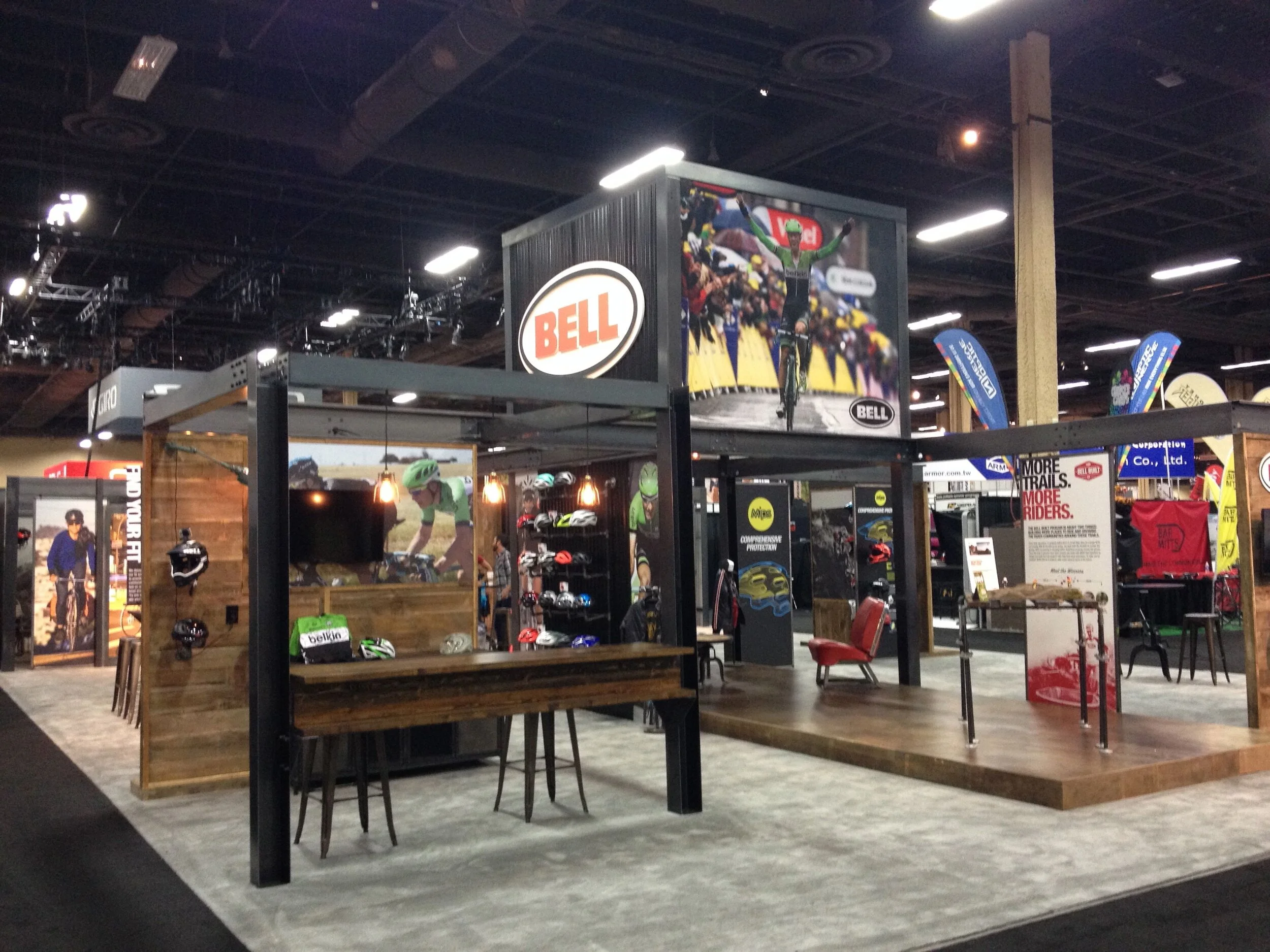
This structure helped ensure that what was designed on screen could be faithfully executed in physical space without losing intent or quality.
The Outcome
The result was a more cohesive and intentional approach to environmental design, where physical spaces felt like extensions of a unified brand system rather than disconnected executions.
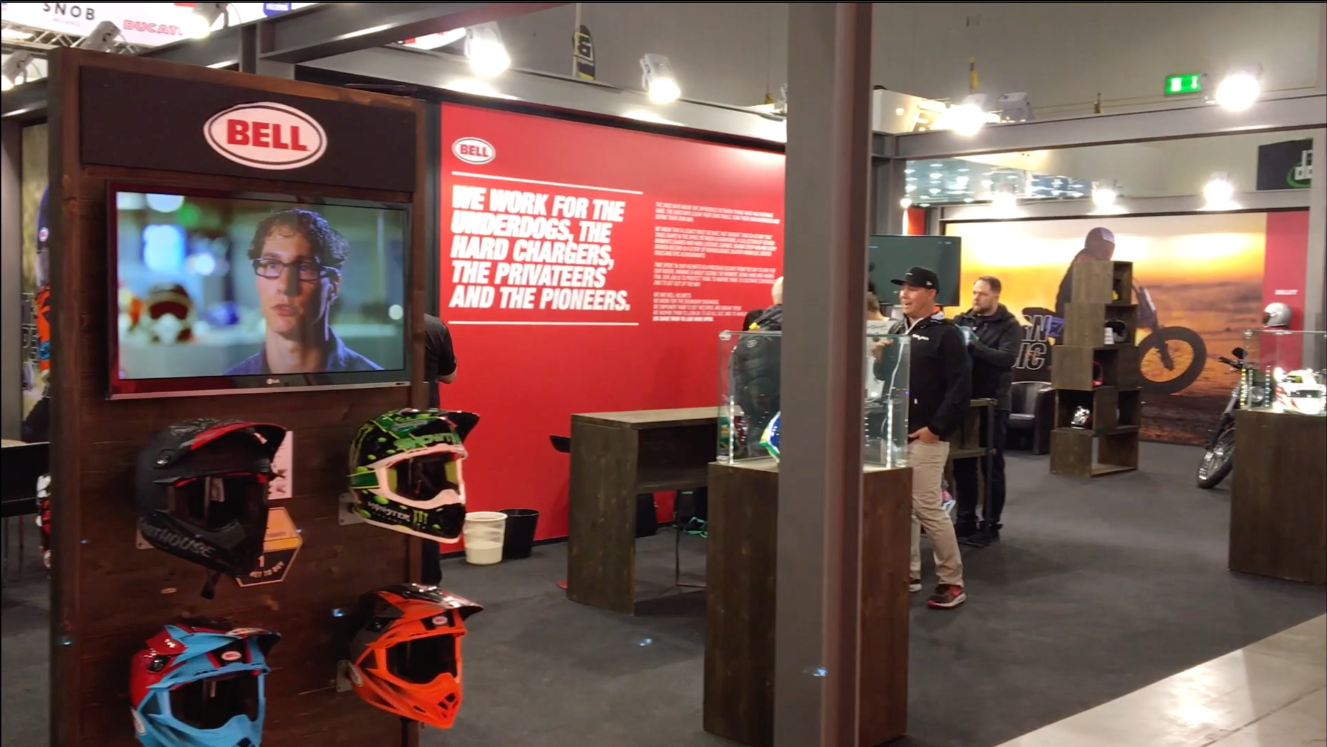
Each project functioned as part of a larger visual language that could adapt to scale, location, and context while maintaining clarity and emotional consistency.
More importantly, the work demonstrated that environmental design is not just about graphics in space. It is about shaping how people move through, understand, and experience a brand in the real world.
The outcome was not only better-looking environments, but more meaningful ones, built on a foundation of systems thinking, creative direction, and disciplined project management.