







Creative Direction, Design & Project Management
Packaging Systems That Connect Brand, Product, and Experience
The Challenge
Packaging is one of the most immediate expressions of a brand, but it’s also one of the most constrained.
It has to communicate quickly, stand out in competitive environments, survive real-world production limitations, and still feel emotionally connected to the brand it represents.
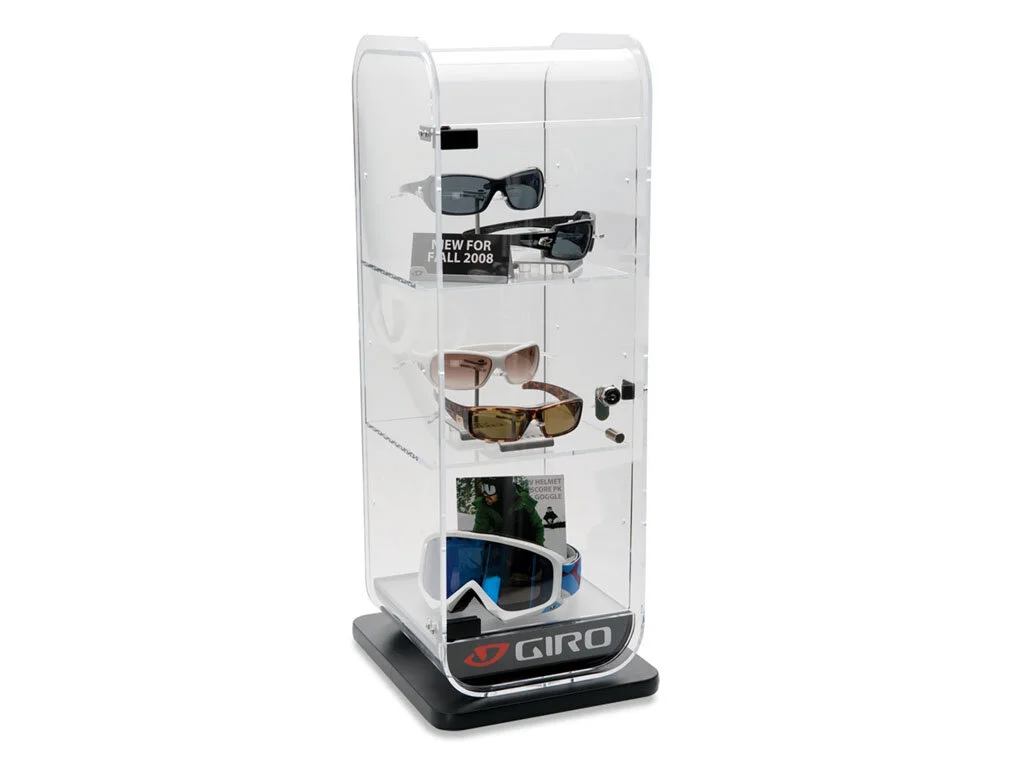
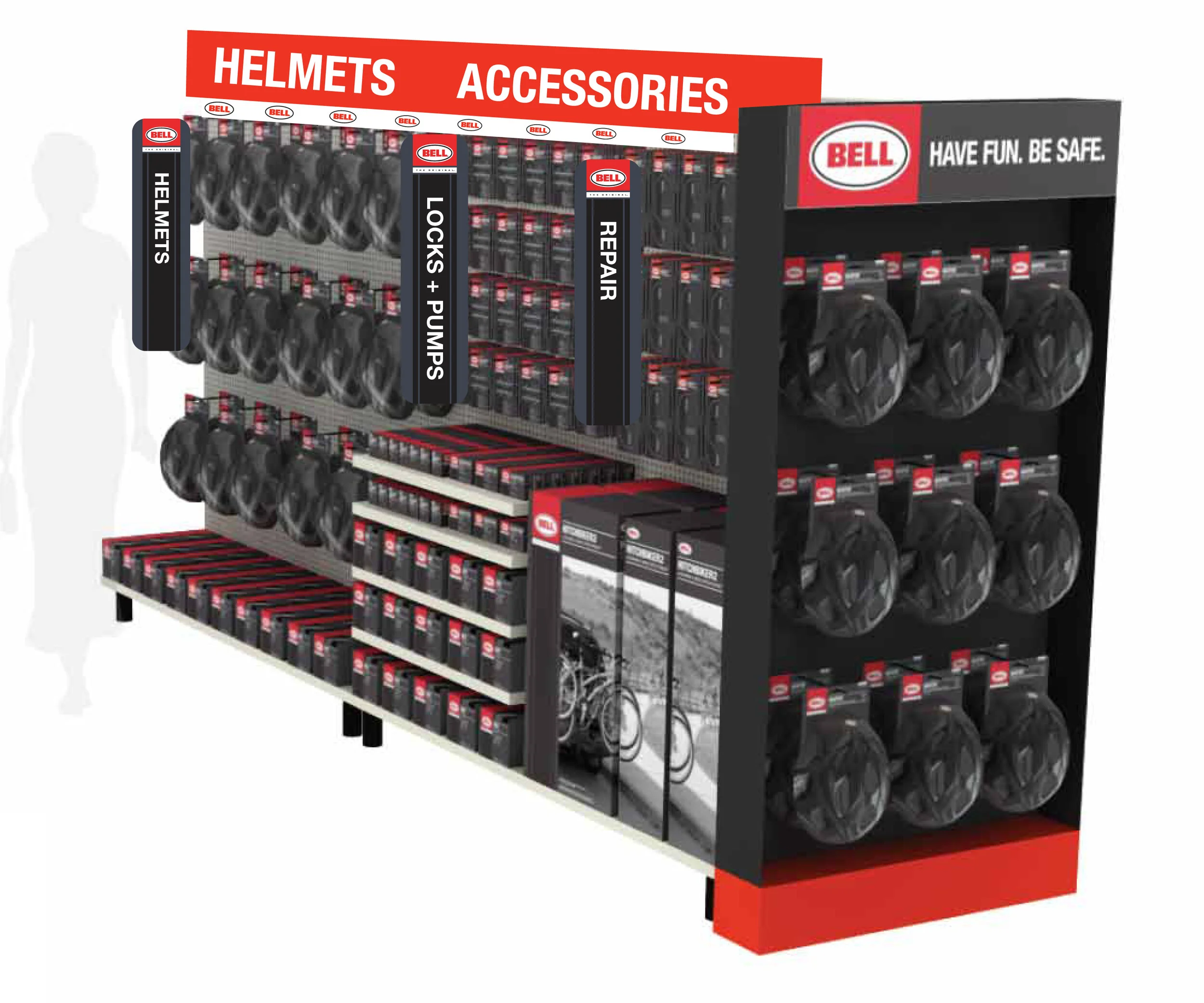
The challenge in this work was consistency across complexity. Packaging doesn’t live in one place. It moves from shelf to shipping box to retail environment to digital storefronts. Along that journey, the message can easily fragment—especially when multiple stakeholders, suppliers, and formats are involved.
Without a strong system, packaging becomes a collection of individual SKUs instead of a unified brand experience.
The goal was to build packaging that felt like part of a larger brand world, not just a container for product information.
The Approach
The process began by treating packaging as a storytelling system rather than a surface design problem.
Instead of starting with labels or layouts, the work started with structure:
What role does this product play in the brand?
What should someone understand in the first few seconds?
How should it feel in hand, on shelf, or in transit?
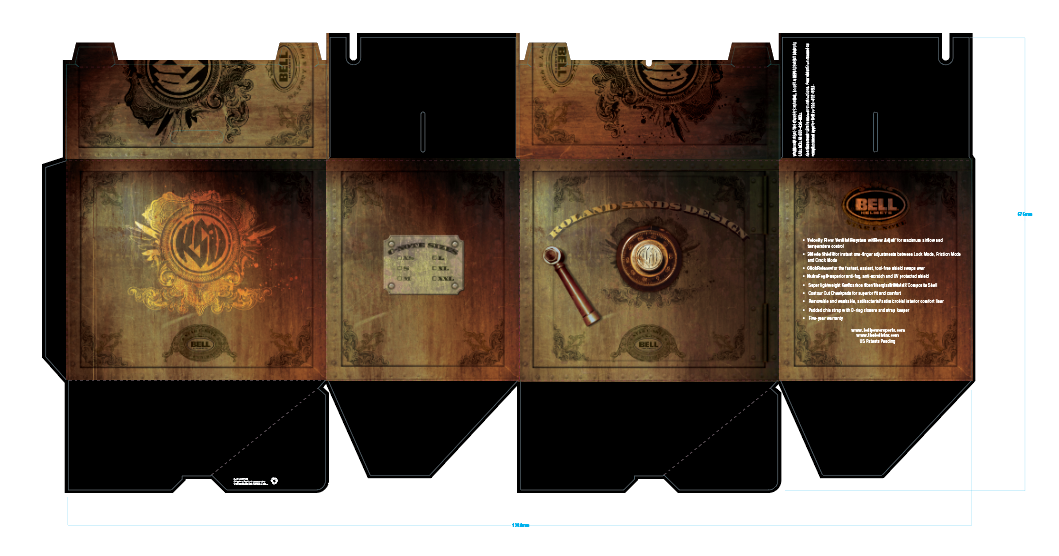
From there, design expanded into a layered system that connected brand identity, information hierarchy, material choices, and production realities.
Each packaging system was designed to operate across three levels:
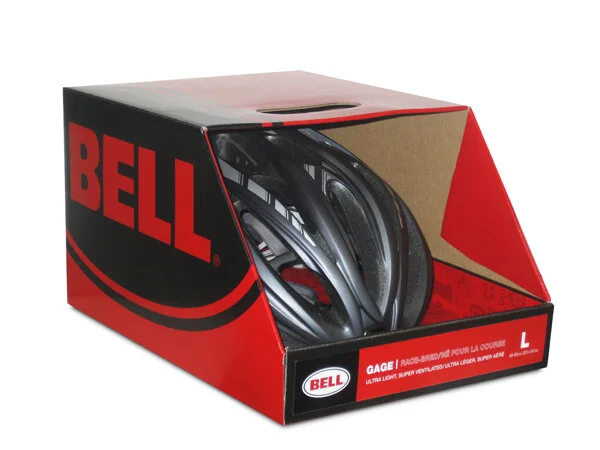
Immediate recognition at shelf or screen level
Clear communication of key product information
A tactile and material experience that reinforces brand tone
This approach ensured that packaging worked not just visually, but physically and functionally across its entire lifecycle.
Design Decisions
A few core principles guided the work:
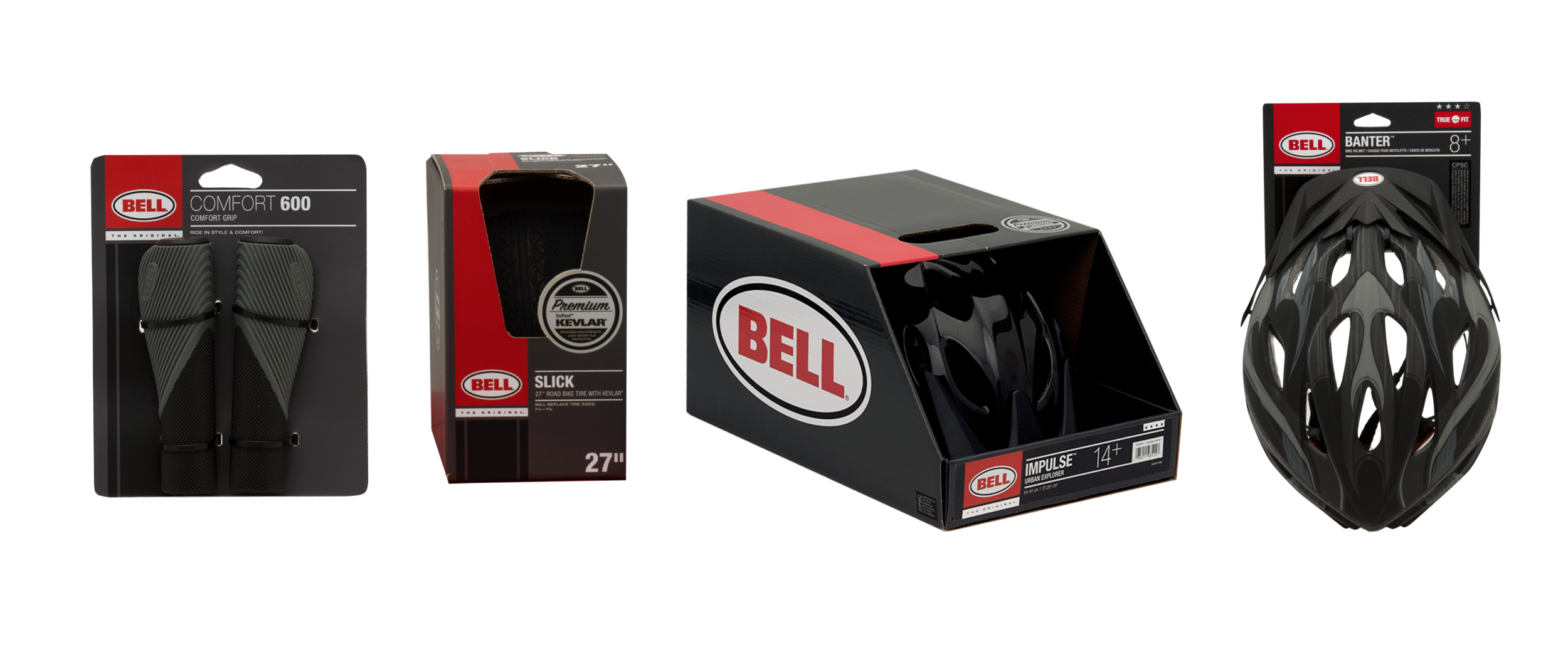
Hierarchy first. Packaging needs to communicate fast. The most important information was always prioritized visually, with secondary details supporting rather than competing.
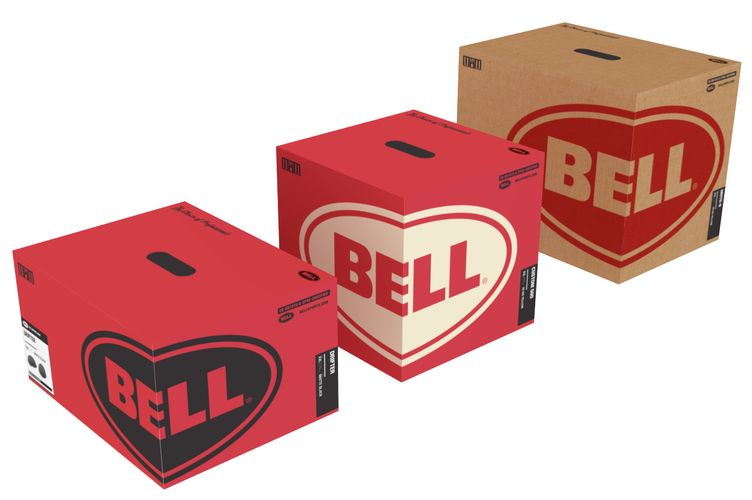
System thinking over one-off design. Instead of designing isolated packages, the focus was on building flexible frameworks that could support multiple SKUs, variants, and future extensions.
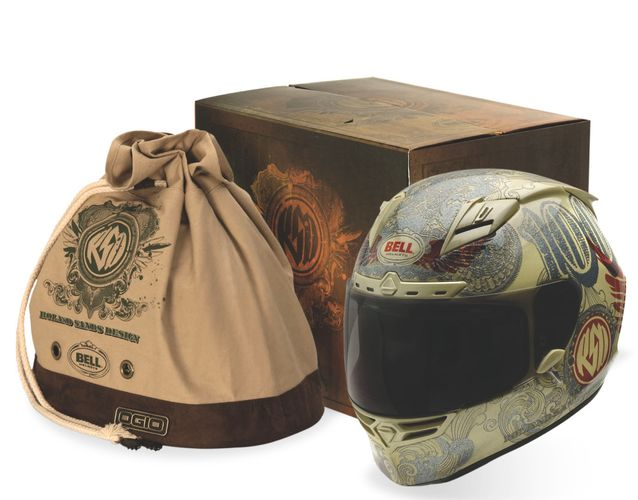
Material as communication. Paper stock, finishes, structural form, and print techniques were treated as part of the design language, not just production details.
Consistency across formats. Whether viewed on shelf, in e-commerce photography, or in social content, packaging needed to feel like it belonged to the same brand system.
Collaboration across production. Close coordination with vendors and production teams ensured that design intent survived translation into physical output.
Project Management & Execution
A major part of this work involved bridging creative direction with production reality.
Packaging exists in a space where design decisions directly intersect with manufacturing constraints, budgets, and logistics. That required constant alignment between creative intent and technical feasibility.
Key responsibilities included:
Translating brand systems into production-ready packaging specifications
Coordinating with printers, manufacturers, and material suppliers
Reviewing proofs and prototypes to maintain design integrity
Managing consistency across multiple packaging formats and iterations
This ensured that the final output didn’t drift as it moved from concept to production.
The Outcome
The result was a more cohesive approach to packaging, where each system felt like an extension of the brand rather than a standalone artifact.
Products became easier to understand at shelf level, more consistent across categories, and more visually aligned across digital and physical environments.
More importantly, packaging stopped functioning as just a delivery mechanism for information and started acting as a core brand touchpoint.
The outcome was packaging that didn’t just contain products, but reinforced identity, built recognition, and contributed to a more unified brand experience across every point of interaction.