











Print Advertising Creative Direction & Design
Building Impactful Brand Communication in Physical Media
The Challenge
Print advertising has a simple job on the surface: get noticed and communicate a message quickly. But in reality, it’s one of the most demanding forms of design.
There are no transitions, no scroll, no animation. Just a single frame to capture attention, deliver meaning, and leave an impression.
The challenge in this work was creating print ads that didn’t feel like reduced versions of bigger campaigns. Too often, print becomes an afterthought, a resized adaptation of digital work rather than a fully considered creative expression in its own right.
The goal was to treat print as a primary storytelling medium, where every ad is built to stop someone mid-motion and communicate a clear, focused idea in seconds.
The Approach
The process started with one core question: what is the single idea this ad needs to communicate?
Everything else came after that.
Rather than building layouts first, the work began with message clarity and visual metaphor. Once the idea was defined, design decisions were used to sharpen it, not decorate it.
Each print execution was approached as a self-contained system:
One central idea
One clear visual hierarchy
One intentional emotional response
This restraint allowed the work to feel direct and confident, avoiding unnecessary complexity that could dilute the message.
Design Decisions
A few key principles shaped the approach:
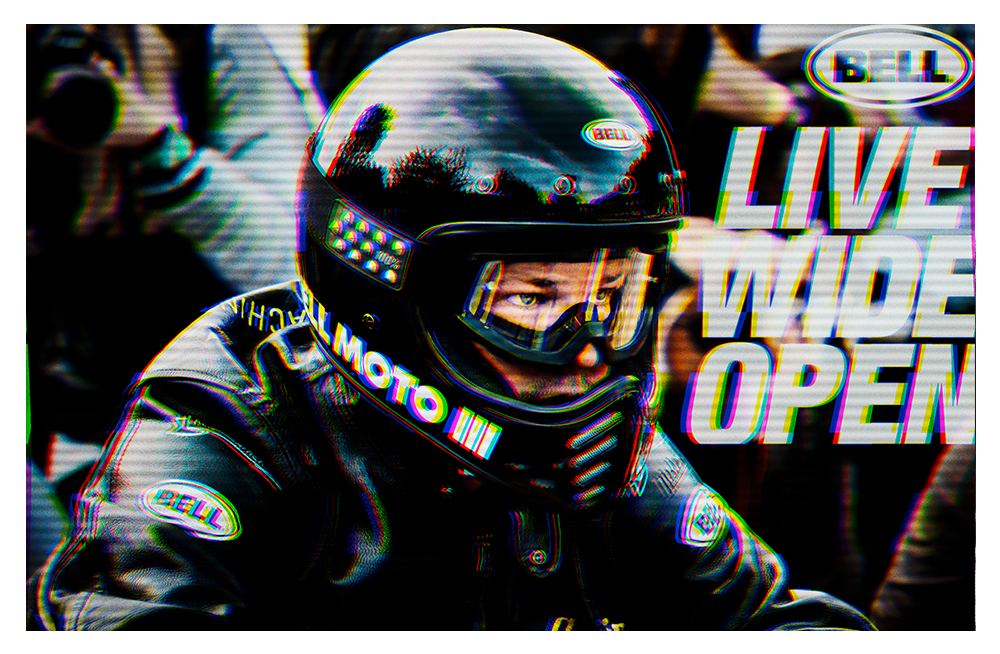
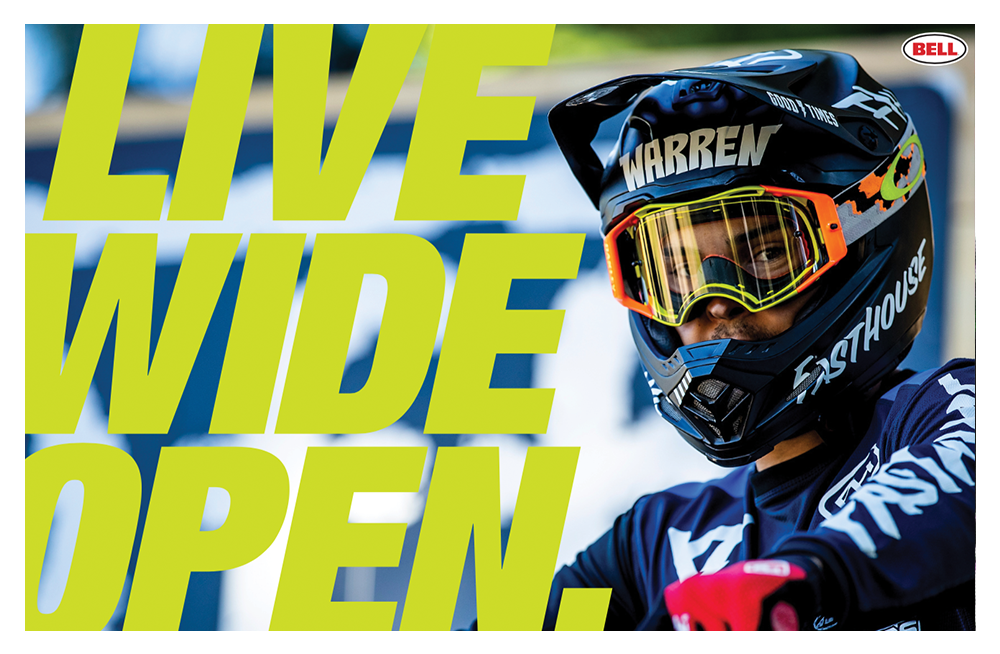
Clarity over complexity. Strong print ads don’t require explanation. Typography, imagery, and layout were simplified to ensure instant readability.
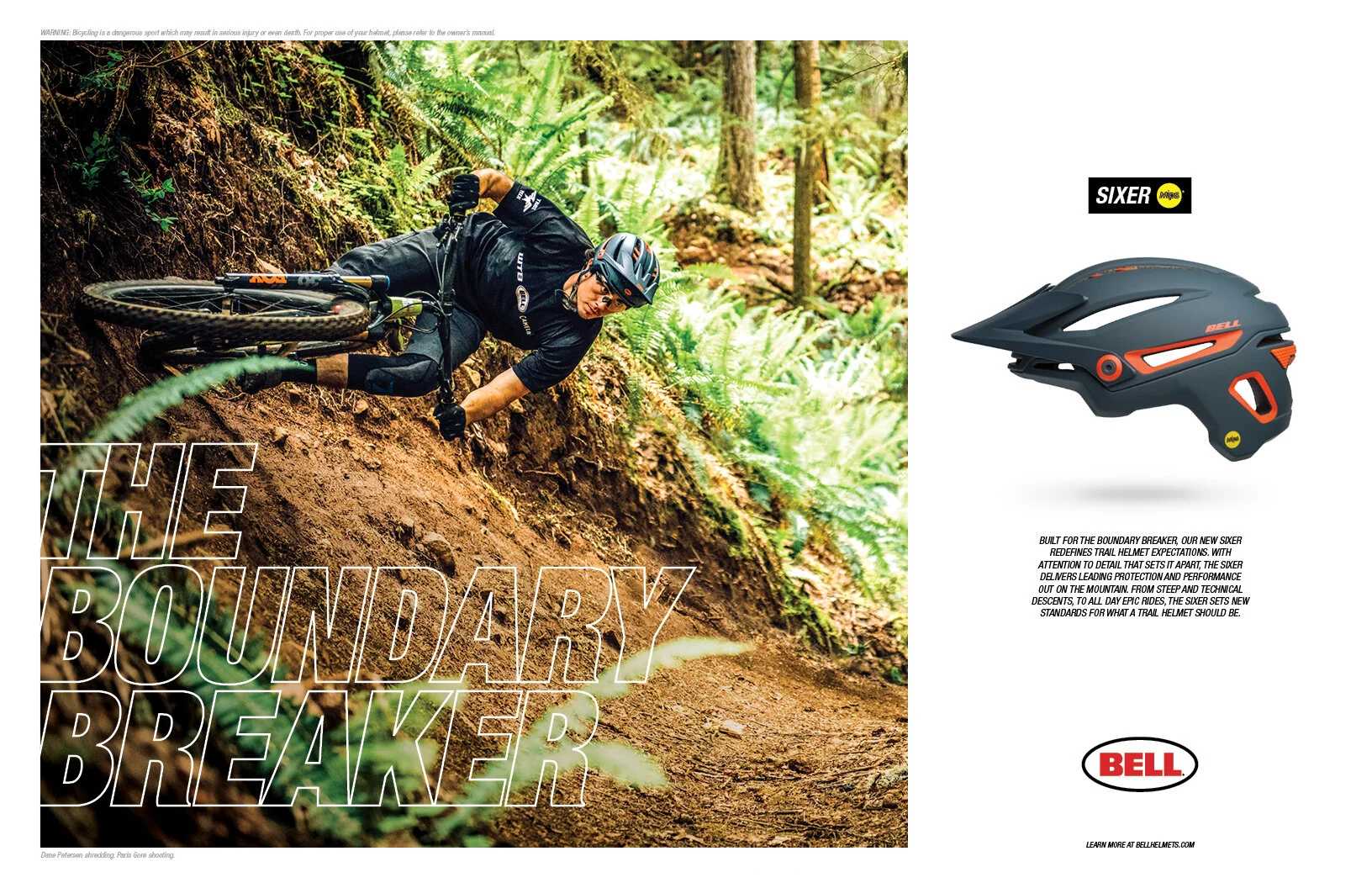
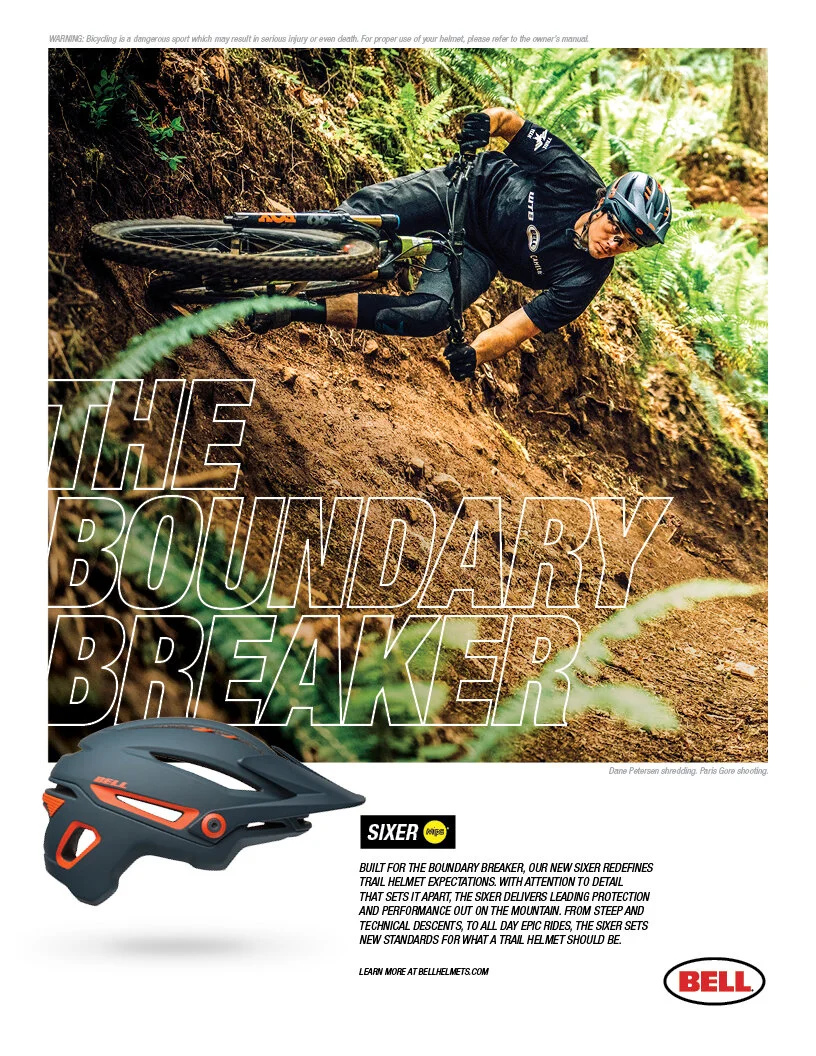
Hierarchy as structure. The eye should know exactly where to go first, second, and third. Scale, contrast, and placement were used to control pacing.
One idea per execution. Rather than layering multiple messages, each ad focused on a single concept and pushed it as far as possible.
White space as control. Space wasn’t treated as empty area, but as an active tool for focus, tension, and emphasis.
Typography as voice. Type wasn’t just informational—it carried tone, personality, and rhythm, shaping how the message felt as much as what it said.
Execution
Each print campaign moved through a clear creative process:
Concept Development
Defining the core message and finding a visual or conceptual angle strong enough to carry it in a single frame.
Art Direction & Layout
Translating the idea into a structured composition where hierarchy, image, and typography work together to guide attention instantly.
Refinement & Production
Adjusting spacing, scale, and contrast to ensure the final ad held up in real-world viewing conditions, from magazines to billboards to physical placements.
The Outcome
The result was a body of print work designed to feel immediate, intentional, and memorable.
Each execution functioned as a standalone statement rather than a fragment of a larger system. The simplicity of the approach gave the work strength, allowing ideas to land quickly and stay with the viewer longer.
More importantly, it reframed print advertising as a discipline of discipline itself—where restraint, clarity, and focus matter more than complexity or volume.
The outcome wasn’t just visually strong print ads. It was communication stripped down to its most essential form, where every element earns its place on the page.